
What Today’s HOA Homebuyers Are Looking for Beyond the Home Itself
Many people searching for a new home today are looking beyond floorplans and finishes. Increasingly, buyers are paying closer attention to how a neighborhood will support the way they actually want to live — including the flexibility to travel, store recreational equipment, and return home without the complications that can come with traditional residential communities.
That shift is becoming more visible in planned communities across the country, particularly in HOA-managed neighborhoods where storage restrictions, parking rules, and garage design can directly affect daily life.
A recent discussion about RV-compatible living highlighted a trend many homeowners are already recognizing: buyers increasingly value communities that support mobility, travel, and practical storage solutions rather than limiting them.
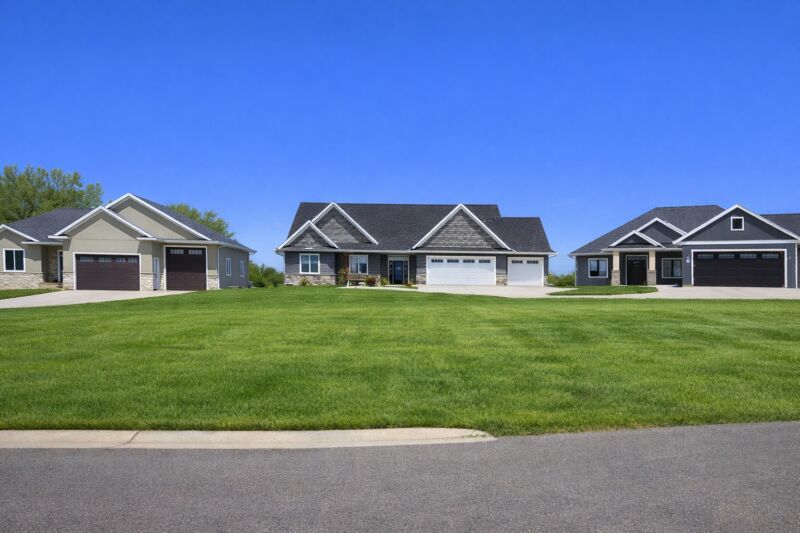
At communities such as Siesta Hills in Mankato, Minnesota, these conversations are becoming more relevant as buyers evaluate not only homes, but how a neighborhood fits into long-term lifestyle goals.
Why Travel and Homeownership Are Becoming More Connected
For many homeowners, travel is no longer viewed as an occasional vacation activity. It has become part of how they choose to spend retirement, seasonal time away, weekends, or extended road trips throughout the year.
That shift changes how people evaluate residential communities. Instead of simply asking about square footage, finishes, or amenities, buyers are increasingly asking more practical lifestyle questions.
Can recreational equipment be stored securely? Will the HOA allow RVs or boats? Is there enough garage flexibility for future needs? Buyers also increasingly consider whether a community supports extended travel without constant maintenance concerns or whether it naturally fits a lock-and-leave lifestyle.
These considerations are especially important in planned communities where HOA rules often regulate exterior parking and vehicle storage.
The Reality of RV and Boat Storage in HOA Communities
One of the biggest misconceptions buyers encounter is assuming all HOA communities handle recreational vehicle storage the same way.
In practice, policies vary widely from one community to another.
Some associations prohibit RVs, trailers, boats, and campers from driveways or streets entirely. In addition, many cities, counties, and municipalities enforce their own parking and storage regulations, which HOA rules cannot supersede.
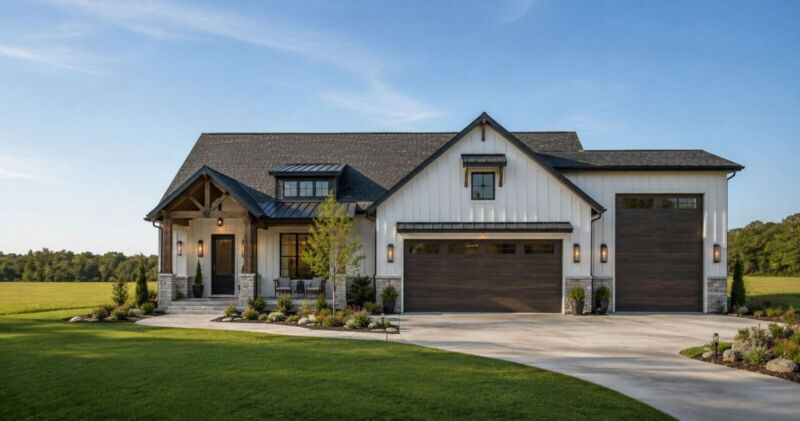
Other communities may allow short-term loading and unloading but require long-term offsite storage. Some neighborhoods are beginning to adapt by allowing larger garages or RV-compatible home designs.
As these conversations evolve, buyers are becoming more aware that storage flexibility should be researched before purchasing or building.
This is particularly true for homeowners who enjoy RV travel, boating, seasonal travel, campervan ownership, outdoor recreation, or winter travel to warmer climates. For these buyers, the ability to securely store recreational equipment at home can significantly influence overall satisfaction with a neighborhood.
Why Garage Design Matters More Than It Used To
For decades, garages were viewed primarily as vehicle parking or basic storage space. Today, buyers often view garages differently.
Larger garages, deeper bays, taller door openings, and flexible layouts are increasingly important, especially in newer planned communities where homeowners want more control over how they use their property.
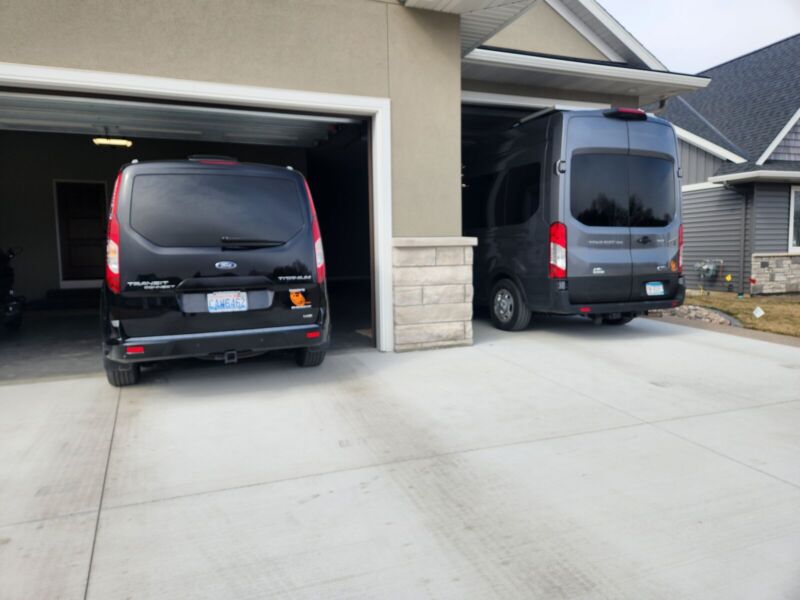
This does not necessarily mean oversized RV garages in every case. Sometimes it simply means additional depth for recreational equipment, space for bikes and kayaks, room for seasonal storage, the ability to store a smaller RV or campervan indoors, or flexibility for future lifestyle changes.
In communities where HOA standards are carefully planned, these discussions become part of broader neighborhood design considerations. The same shift is reflected in the growing interest in garage-compatible RV living, where homeowners are thinking more carefully about how travel, storage, and home design fit together.
The Lock-and-Leave Lifestyle Many Buyers Want
Another reason this topic continues to grow is the increasing popularity of what many describe as a lock-and-leave lifestyle.
Homeowners want the ability to leave for extended travel while knowing exterior maintenance continues, landscaping is maintained, snow removal is handled, and the property will look cared for when they return.
There is also value in living where neighbors know one another. In a connected community, people are more likely to communicate if something looks out of place, adding another layer of confidence for those who travel often or spend extended time away.
For many buyers, this combination of coordinated maintenance, neighborhood familiarity, and travel flexibility is one of the strongest advantages of thoughtfully managed HOA communities.
In communities like Siesta Hills, buyers often appreciate the balance between private homeownership and shared maintenance structures that simplify everyday responsibilities.
How Planned Communities Are Adapting
Developers and builders are beginning to recognize that lifestyle flexibility matters.
In some communities, this has led to larger garage options, more flexible homesite planning, RV-compatible home designs, expanded storage considerations, and HOA rules that accommodate practical recreational use.
The trend reflects a broader shift in housing preferences. People are not simply buying homes. They are choosing environments that support how they want to spend their time.
That includes the ability to travel, explore, and return home without unnecessary complications.
A Different Way of Evaluating Neighborhoods
When buyers first begin researching planned communities, attention usually centers on homes, amenities, and location.
Over time, however, many discover that the long-term experience of living in a neighborhood is shaped just as much by the details that are not immediately obvious.
HOA structure, garage flexibility, maintenance expectations, storage policies, neighborhood planning, travel compatibility, and ease of ownership can all affect how well a community fits day-to-day life.
Communities that thoughtfully balance these elements often stand out over time. This is part of why buyers researching HOA living are increasingly looking beyond the stereotypes often associated with association-managed neighborhoods.
Planning for How You Actually Want to Live
For many homeowners today, mobility and flexibility are becoming central parts of long-term planning.
Some travel seasonally. Some spend weekends exploring regional parks and lakes. Some own RVs, campervans, or boats. Others simply want the freedom to leave home for extended periods without additional stress.
As these priorities continue to evolve, communities that support practical storage, coordinated maintenance, and flexible living arrangements are likely to receive increasing attention.
For buyers considering planned neighborhoods in southern Minnesota, understanding these factors early can help avoid surprises later.
Because in many cases, the question is no longer simply: “Where do I want to live?”
It is: “How do I want to live once I get there?”