
Living in Mankato Minnesota: Community, Lifestyle, and Opportunity
A Southern Minnesota Community People Are Discovering
Mankato offers a combination of stability, accessibility, and quality of life that continues to draw attention across southern Minnesota. Set along the Minnesota River Valley, it provides the advantages of a regional hub while maintaining a pace that feels manageable over time.
For those considering relocation, the area stands out for how everything fits together—employment, education, healthcare, and outdoor access all within a connected environment.
Many begin by exploring neighborhood options to understand how different parts of the city offer distinct living experiences.
A Balance Between Growth and Livability
One of the reasons many people consider moving here is the balance between steady growth and everyday livability.
The region serves as a commercial and educational center, supported by healthcare systems, Minnesota State University, and a range of industries that provide long-term stability.
At the same time, daily life remains accessible. Commutes are manageable, neighborhoods connect easily to parks and open space, and the city provides what most people need without the congestion of larger metro areas.
For many, that balance becomes the deciding factor.
Outdoor Recreation and Natural Surroundings
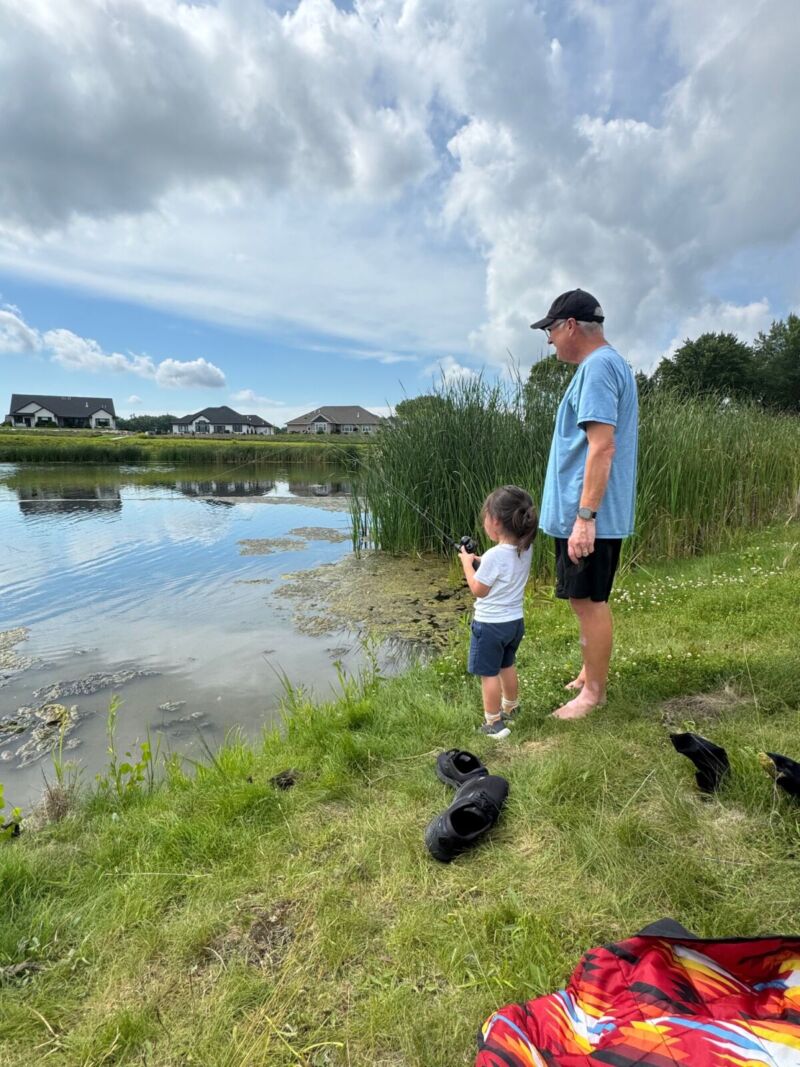
The surrounding landscape plays a major role in how the area is experienced. The river valley, regional parks, and trail systems provide year-round access to outdoor activity.
Walking and biking paths, nearby state parks, and open space become part of everyday life rather than something reserved for weekends.
For those researching the area, understanding why people are moving here often starts with how the environment shapes daily routines.
Neighborhoods Designed for Long-Term Living
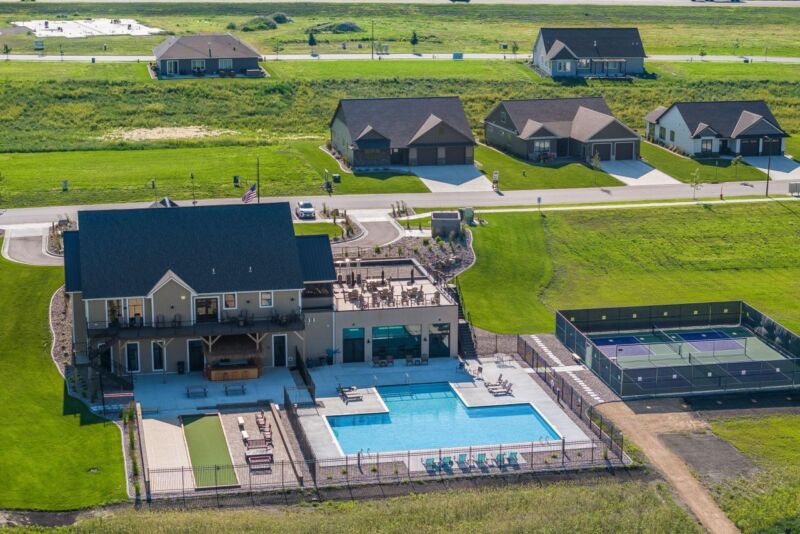
Housing options range from established neighborhoods to newer developments and custom home opportunities.
What many buyers begin to notice is the difference between simply choosing a home and selecting a setting designed to hold its value over time.
Planning, infrastructure, and design standards all play a role in how neighborhoods evolve. This broader view is part of how people now approach homebuying decisions.
Building a Home in the Area
For some, building a home becomes an appealing option. New construction allows for personalization while also selecting a neighborhood that aligns with long-term goals.
Buyers often explore options such as new construction or begin by understanding the building process to see how planning guidelines shape the final result.
Looking Beyond the Home
Relocation decisions increasingly go beyond the structure itself.
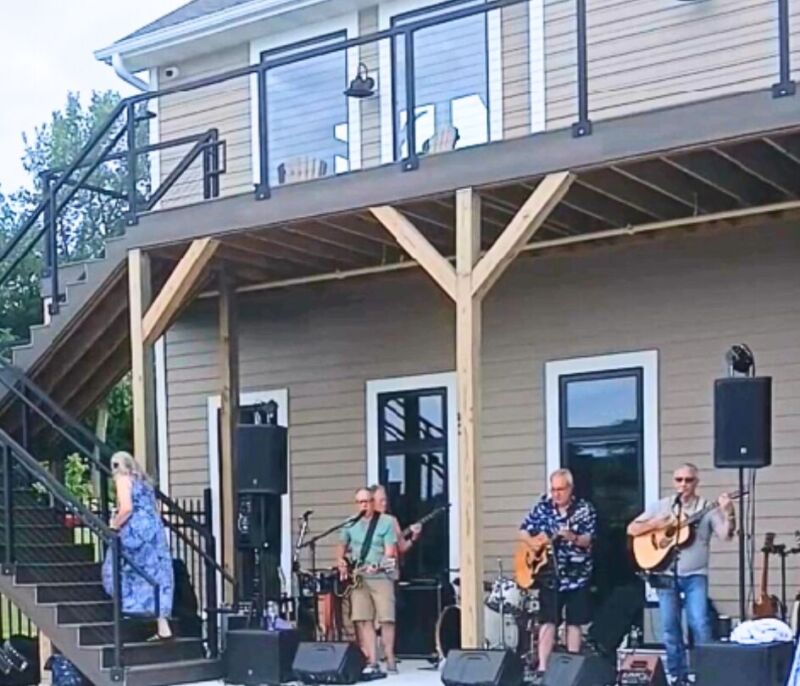
Buyers are paying attention to how a neighborhood functions—walking environments, shared spaces, access to services, and overall atmosphere.
These elements shape daily life and often determine long-term satisfaction. Exploring how a community is designed can provide a clearer picture of what living there actually feels like.
Who the Area Attracts
The area draws a wide range of residents.
Professionals relocating for work, empty nesters planning their next stage, and those simply looking for a more stable, manageable environment often arrive for different reasons—but tend to stay for similar ones.
A consistent theme is the desire for neighborhoods that feel established, well maintained, and built to last.
Understanding how these environments come together often includes looking at builder approaches and how coordinated planning supports long-term stability.
Why Many People Choose Mankato
Choosing where to live involves more than comparing homes. It comes down to how a place functions over time.
For many, the appeal here is the balance—opportunity, livability, and a setting that continues to feel consistent as the years pass.
From established neighborhoods to newer planned communities, the area offers options that support a wide range of lifestyles and long-term goals.
Taking the time to understand how it all fits together often makes the decision clearer.