
Why Mankato MN Homebuyers Are Looking Beyond the House Itself
A Shift Happening in the Mankato Housing Market
Anyone searching for homes in Mankato today is likely noticing a change in how people evaluate where they want to live. Buyers are no longer focused only on floor plans, square footage, or interior finishes. More often, attention shifts to the broader environment—the neighborhood design, long-term planning, and overall lifestyle a setting supports.
For many people relocating to southern Minnesota or planning to build, the decision is becoming less about the structure itself and more about the experience of living in a well-planned community.
Those researching relocation opportunities are asking deeper questions about stability, quality, and long-term value.

Looking at the Whole Environment
Search patterns show that buyers are increasingly evaluating the setting before selecting a home. People exploring a move want to understand how a neighborhood functions over time, how it is maintained, and how it will feel years after construction is complete.
That is why many researching neighborhood options are paying closer attention to planning, development standards, and overall character.
This reflects a broader trend. Buyers want confidence that their surroundings will remain well cared for, visually consistent, and stable into the future.
Why Community Design Matters
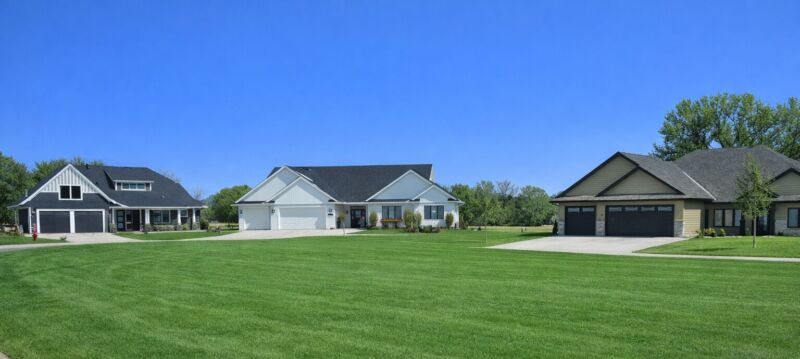
Newer planned neighborhoods in the area are drawing attention because they balance architectural individuality with a sense of continuity. Homes may vary in design, yet the neighborhood still feels intentional rather than random.
This kind of coordination helps preserve long-term appeal without limiting creativity. Individual homes maintain character, while shared standards support the overall integrity of the community.
Many buyers begin by understanding how builder experience and planning guidelines work together to support long-term quality.
When design supports variety instead of repetition, the result is a neighborhood that feels established and balanced over time.
Lifestyle Is Now Part of the Search
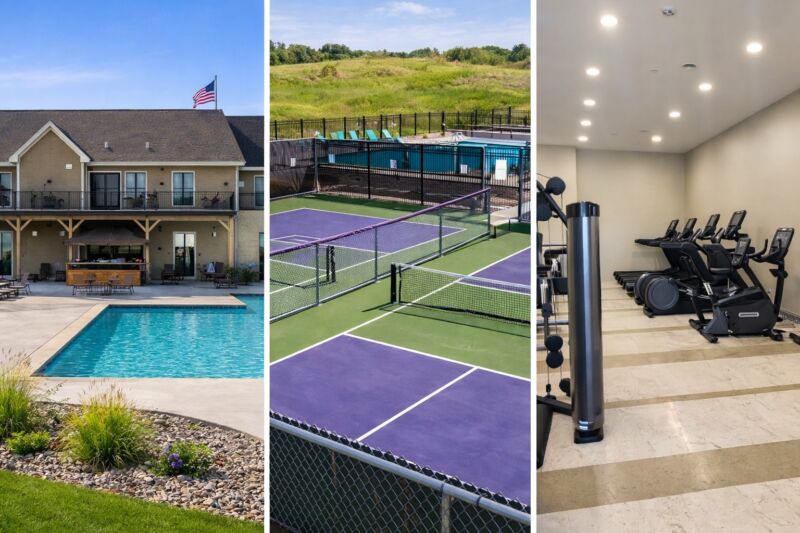
Another shift is the role of shared amenities. Buyers are no longer viewing recreational and social features as extras—they are part of how a neighborhood is evaluated.
Those exploring community amenities are often looking for environments that support daily routines through gathering spaces, activity areas, and shared resources.
These features influence how residents connect and how the neighborhood functions day to day.
To see how that comes together locally, many prospective residents take a closer look at the community itself.
Who Is Paying Attention
Empty nesters often prioritize quality construction, simplified maintenance, and a setting that supports long-term comfort. Many are transitioning from larger homes and are looking for something easier to maintain without losing quality.
At the same time, working professionals are evaluating neighborhood structure just as carefully. They want flexibility in home design while still benefiting from planning that protects long-term value.
Across both groups, there is a growing interest in understanding how community structure supports daily life.
Planning and Long-Term Stability
Long-term property value is influenced by more than location. Infrastructure, development planning, and consistent standards all play a role in how neighborhoods perform over time.
Buyers want reassurance that growth is intentional, expectations are clear, and the character of the area will remain consistent.
This is why many begin by learning about the building process and how planning guidelines support long-term stability.
Communities that maintain coordinated growth tend to offer greater predictability, which is an important factor in long-term decisions.
Choosing a Setting, Not Just a Structure
As the area continues to grow, many buyers recognize that a home does not exist in isolation. The surrounding environment shapes daily life, long-term satisfaction, and future value.
Today’s homebuyers are not simply selecting a house. They are choosing a setting that reflects how they want to live over time.