
Daily Life at Siesta Hills Mankato MN: A Closer Look
A Regular Table, A Familiar Game
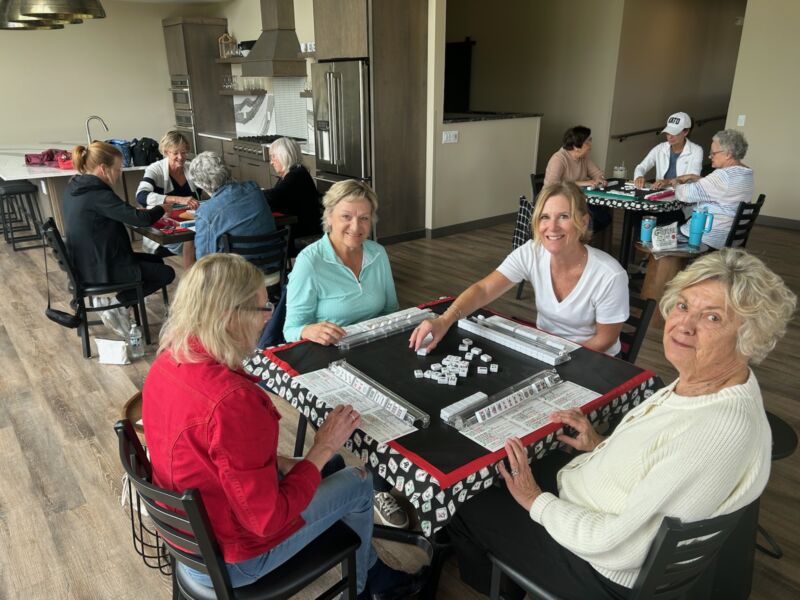
This is a regular game at Siesta Hills.
Mahjong is one of the activities that has quietly become part of the rhythm here. For anyone unfamiliar, it is a tile-based game that blends strategy, memory, and a bit of luck. Players build sets from a rack of tiles, drawing and discarding as the game moves around the table. It has its own pace—focused at times, conversational at others.
Most people here had not played before moving in.
They learned from neighbors. Sat in for a round. Watched a few hands. Picked it up. Now they are the ones explaining it to someone new.
The group changes slightly from week to week, but the game stays consistent. There is usually a time people expect to gather, but it does not depend on structure. People arrive, settle in, and the table fills—part of the broader social living that has taken hold here.
It Doesn’t Stop at One Table
What is happening here is not isolated.
Step outside and the pickleball courts are active. Games rotate in and out. Some play regularly, others jump in when there is an open spot. It moves quickly, but it stays easygoing.
Elsewhere, the shuffleboard court sees steady use. It is simple, competitive when people want it to be, relaxed when they do not.
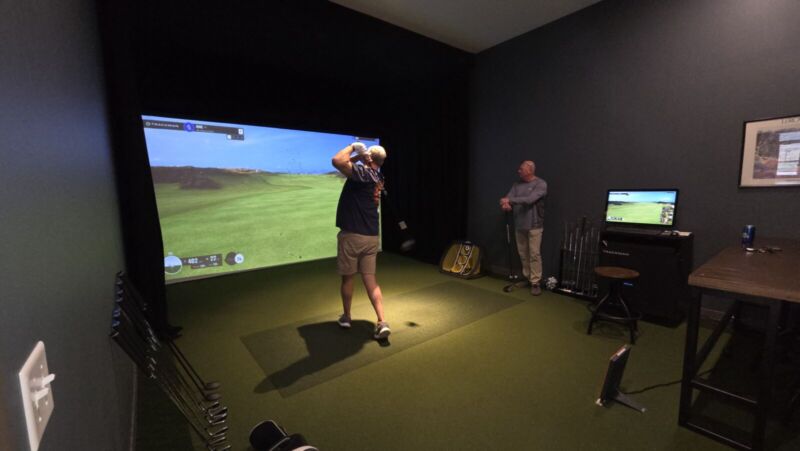
Inside, the indoor golf simulator offers something different. A swing, a screen, and a course that changes with the day. Some take it seriously, others treat it as something to try between conversations.
In the game room, a pool table and shuffleboard table sit ready without needing to be scheduled. People drift in, start a game, finish one, or leave it for the next group.
Taken together, it reflects an active lifestyle without needing to organize around it.
The Pools, Indoors and Out
The pools follow the same pattern.
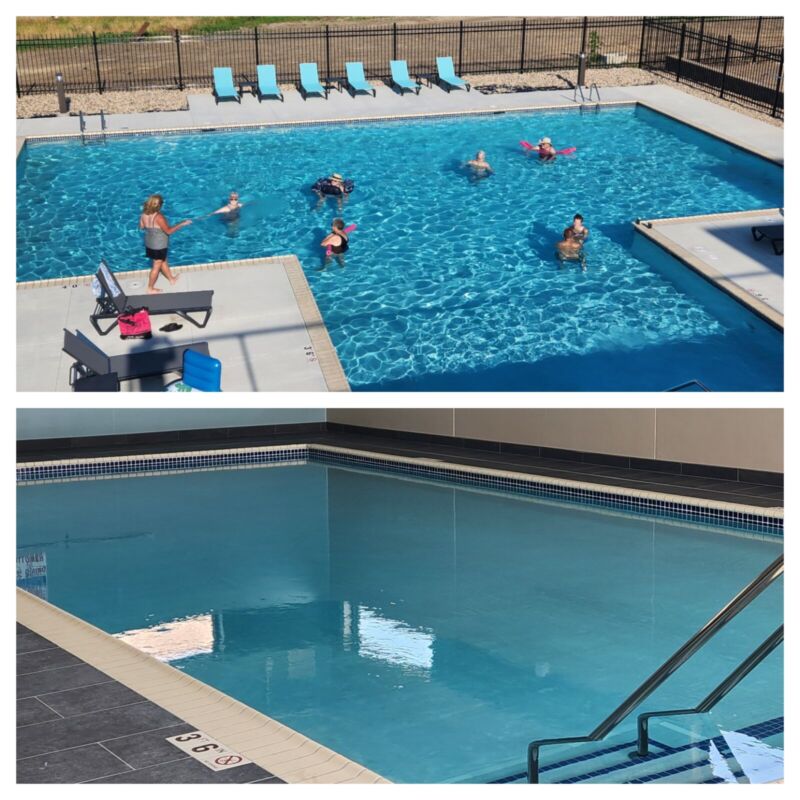
The outdoor pool draws people in when the weather allows—sun, chairs, conversation, and the kind of afternoons that do not need planning.
The indoor pool stays consistent year-round. A quieter setting, more routine. Some swim regularly. Others stop in occasionally. It is there when it is needed, without much attention drawn to it.
It is one example of how shared spaces contribute to a connected community without much effort.
The Pub Room and Everything Around It
The pub room fills in the gaps between everything else.
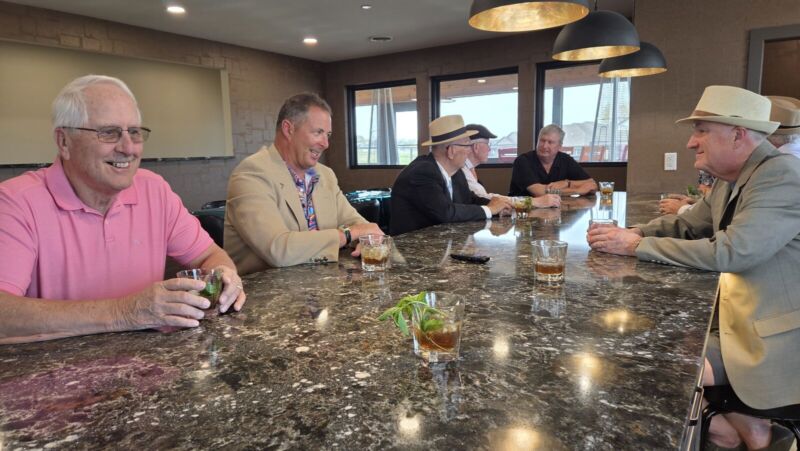
A happy hour might bring a larger group. Other times it is just a few people watching a game on one of the TVs. Conversations carry from one day to the next. Someone walks in for a few minutes and stays longer.
It is part of the same pattern of community events, even when nothing is formally planned.
Nothing about it feels like an event, even when it technically is.
What Stands Out Without Being Stated
There is not a single activity that defines the place.
It is the mix.
Mahjong at one table. Pickleball outside. Someone on the simulator. A couple people at the pool. Others in the pub room.
Some of it is planned. Some of it is not.
But none of it feels occasional.
A Different Way to Understand It
Most people start by looking at homes.
Layouts. Finishes. Location.
But eventually, attention shifts to something harder to see at first—what people actually do once they are there.
That shift is part of a broader homebuyer trend that is becoming easier to recognize.
At Siesta Hills, that answer is not explained.
It is visible.