
What Is an HOA? Understanding How Community Associations Shape Neighborhood Living
HOA Living Explained: A Practical Guide for Homeowners
Homeowners Associations—commonly called HOAs—are a familiar part of residential life across much of the United States. Even so, many people only have a general sense of what they are or how they function.
Some encounter the concept for the first time when purchasing a home in a planned neighborhood, townhome development, or condominium community. Others live within an HOA for years without ever fully understanding the structure behind it.
In practice, HOAs tend to operate quietly in the background—maintaining shared spaces, coordinating long-term planning, and helping shape how a neighborhood looks and functions over time.
Understanding how they work offers a clearer picture of how many modern residential communities are organized—and why this model has become so common.
A Shared Framework for Community Living
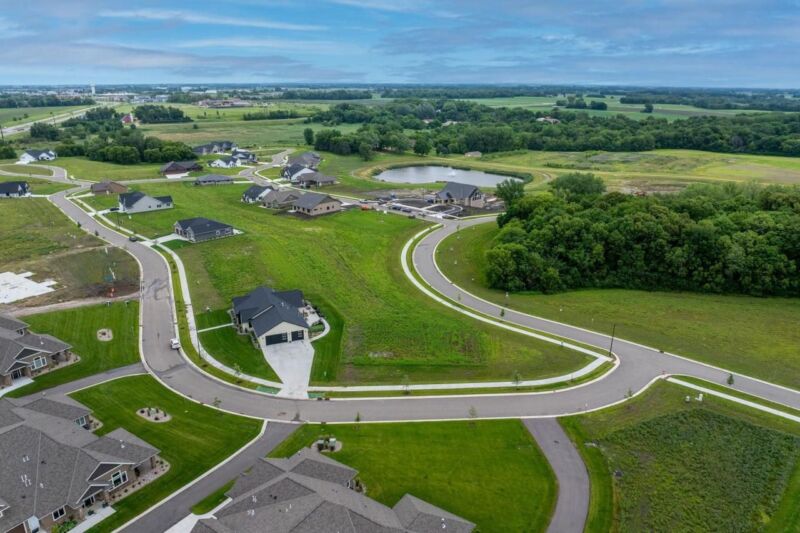
At its core, an HOA is a private organization created to manage and maintain a residential community. These associations are most common in developments where residents share responsibility for common spaces or infrastructure—landscaped areas, shared amenities, private streets, or building exteriors.
Most begin when a developer establishes a framework for how the community will operate. Over time, control typically transitions to homeowners, who elect a board of directors to oversee decisions affecting the neighborhood.
Ownership within an HOA community includes membership in that association. Along with the property itself, homeowners agree to follow governing documents that outline how shared responsibilities are handled and what standards apply to the community as a whole.
Rather than existing outside the neighborhood, the HOA becomes part of how the neighborhood functions.
The Everyday Work of an HOA
Much of what an HOA does is practical and often unnoticed.
Boards made up of volunteer homeowners manage budgets, oversee maintenance of shared property, and plan for long-term repairs or improvements. In many communities, these boards are made up of residents who live within the neighborhood themselves and participate directly in decisions affecting the community.
They coordinate services that would otherwise need to be handled individually.
Funding for these responsibilities comes from association dues. These funds support routine upkeep, reserve planning, and shared services that benefit the community as a whole.
For many residents, this structure simply becomes part of the background of daily life.

Why This Model Became So Common
HOA governance developed alongside planned residential communities. As neighborhoods began incorporating shared amenities and coordinated design standards, a formal system for managing those elements became necessary.
Associations provide continuity. They create a framework for maintaining shared property, planning long-term improvements, and preserving the overall character of a community.
Instead of relying on informal coordination between neighbors, responsibilities are structured and ongoing.
For some homeowners, this predictability is part of the appeal. For others, it is simply how many contemporary neighborhoods are designed to function.
Perception and Reality
Because HOAs operate differently from traditional neighborhoods, they are sometimes viewed through a lens of misunderstanding.
Some assume they regulate every aspect of daily life, while others question the value of association dues.
In practice, most associations focus on shared property and exterior standards that affect the neighborhood collectively. The goal is typically consistency rather than control, and coordination rather than restriction.
Understanding how an association operates often changes perception, particularly when homeowners see how community planning, maintenance, and decision-making are handled at the local neighborhood level.
Participation—whether attending meetings or reviewing financial planning—helps make the structure more transparent.
The Role of State Law
Although HOAs function at the neighborhood level, they operate within a legal framework defined by state law.
State statutes determine how associations are formed, how they manage finances, what rights homeowners retain, and how disputes are handled.
This means that while HOA structures may appear similar across the country, their legal boundaries and operational requirements are always shaped by the state in which they exist.
Minnesota provides a clear example through the MCIOA, which establishes standards for many common-interest communities throughout the state.
Within that framework, individual associations adopt governing documents specific to their own neighborhoods.
Communities such as Siesta Hills operate within these statewide standards while managing their own local responsibilities and long-term planning.
Understanding Before Participating
Because HOA living blends community rules with state regulation, understanding both helps homeowners know what to expect.
Reviewing governing documents, understanding financial structures, and recognizing how state law applies all provide useful context for anyone living in—or considering—an association-managed community.
Clarity turns what can feel unfamiliar into something much easier to navigate.
A Lasting Part of Residential Design
Homeowners Associations have become a defining feature of many planned communities throughout the United States.
They provide a framework for managing shared property, coordinating maintenance, and sustaining neighborhood design over time.
For some homeowners, that structure is a primary reason for choosing an association-governed community. For others, it is simply part of how many thoughtfully planned neighborhoods operate today.
In Minnesota, communities such as Siesta Hills reflect how this structure works in practice—where statewide standards, local governance, and homeowner participation come together to support the daily rhythm of neighborhood living.
Understanding how HOAs function helps place communities like these into a broader context—one where shared responsibility and structured planning continue to shape how people experience residential life.