
Debunking HOA Myths: Why Siesta Hills Feels Like Home
Homeowners associations are often misunderstood. For many buyers exploring homes in Mankato, Minnesota, the idea of an HOA can bring hesitation—questions about rules, fees, or independence. In many cases, that uncertainty comes from not fully understanding how an HOA works in practice.
As more buyers begin comparing neighborhoods in Mankato, it becomes clear that not all communities function the same way. Some focus only on individual homes, while others take a broader approach—considering how the neighborhood lives and evolves over time.
At Siesta Hills, the structure supports daily life rather than complicates it, bringing consistency, shared responsibility, and a sense of continuity to the community.
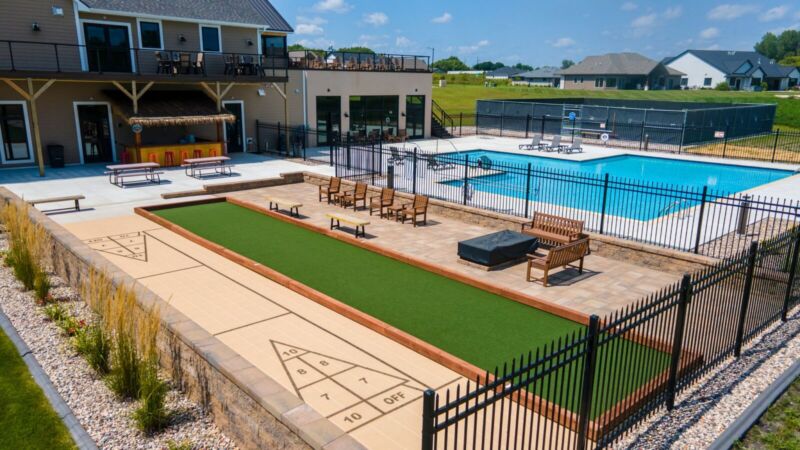
One of the more common assumptions about HOAs is that they feel rigid or impersonal. Here, the structure is different. The community is self-run, which means homeowners have a direct role in decisions and direction. Policies are shaped locally by residents who live within the neighborhood themselves, creating a level of responsiveness that is often missing in larger or less connected communities.
Guidelines exist, but they are practical. Rather than limiting how people live, they help maintain consistency—protecting property values, preserving the look of the neighborhood, and reducing common issues that tend to arise in unmanaged settings.
Cost is another area where perception and reality often differ. HOA fees are sometimes viewed as an added expense, but they bring together services that would otherwise be handled individually. Lawn care, snow removal, and exterior maintenance are managed collectively, along with access to shared amenities such as the fitness center, pools, clubhouse, and recreation spaces.
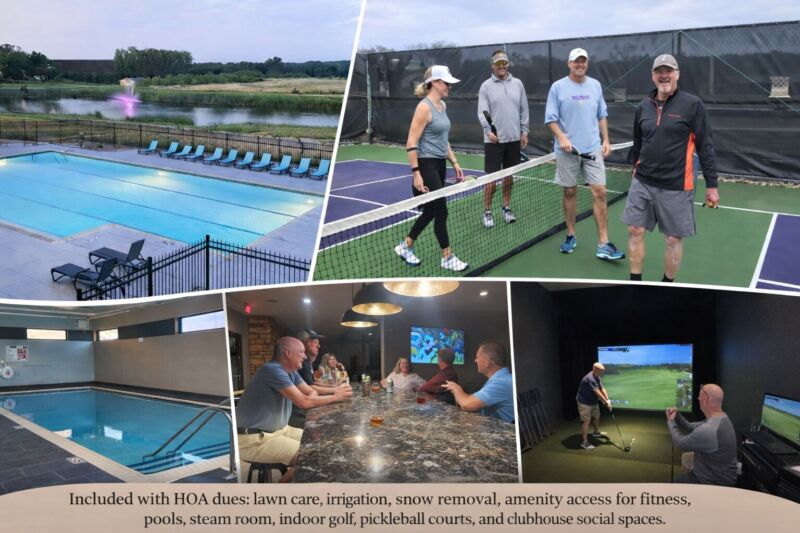
The amenities themselves are part of how the community functions day to day. The clubhouse acts as a central space where residents stay active, connect, and spend time together. Some gatherings are planned, others happen naturally, but the result is the same—people use the space.
Over time, that regular interaction creates familiarity. Neighbors recognize each other. Conversations continue. A quick visit becomes part of a routine.
That’s where the perception of HOA living often shifts. Rather than feeling less personal, it becomes more connected—supported by shared spaces and a layout designed to bring people into contact with one another.
For many homeowners, the appeal is not simply maintenance or amenities alone. It is the consistency of the environment and the sense that the neighborhood is actively cared for over time.
Living in a community like Siesta Hills is less about giving something up and more about having a consistent, well-maintained environment where daily life runs smoothly.
For those exploring housing options in the Mankato area, it offers a different perspective on what neighborhood living can look like.
More importantly, it shows that not all HOAs operate the same way.
Want to learn more?
If you have questions or would like to see how the community is set up, you can reach out at 507-327-8411 for additional information.