
HOA Living Explained: A Practical Guide for Homeowners
HOA Living Explained: A Practical Guide for Homeowners
Homeowners associations—commonly called HOAs—are a familiar part of residential life across the United States, yet many people are unsure what they actually are or how they function. An HOA is simply a structured neighborhood organization that manages shared spaces, maintains community standards, and helps coordinate services that benefit residents collectively. In communities where they are well organized and resident-guided, HOAs often provide stability, consistency, and a sense of shared responsibility that supports long-term neighborhood health.
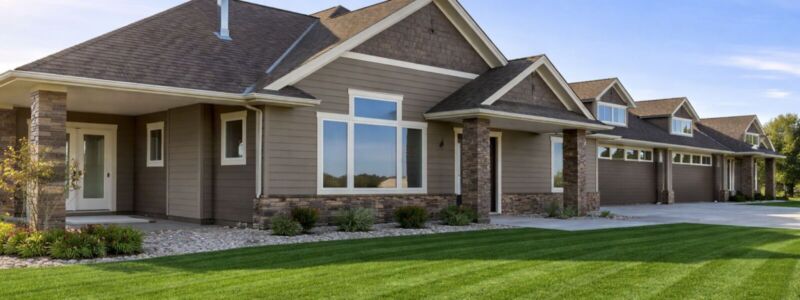
One of the most common misconceptions about HOA living is that it limits independence. In reality, most associations are governed locally by homeowners themselves, typically through an elected board made up of residents. This structure allows decisions to reflect the needs and priorities of the people who live there rather than outside management. When homeowners participate—whether by attending meetings, volunteering, or serving on committees—the community evolves in ways that feel practical and responsive rather than restrictive.
Rules are another area where perception and reality can differ. HOA guidelines are generally designed to maintain property standards, preserve neighborhood appearance, and prevent avoidable conflicts between neighbors. Consistent expectations about maintenance, exterior condition, and shared spaces often reduce disputes and help protect property values. Rather than limiting residents, these standards usually create a more predictable and harmonious living environment.
Costs are often discussed when people consider HOA living, but they are not always understood in context. Association dues typically fund services that homeowners might otherwise arrange individually, such as lawn care, snow removal, exterior upkeep, or maintenance of common amenities. By handling these collectively, many residents find their expenses easier to anticipate and manage over time. This shared approach can simplify budgeting and reduce the number of unexpected maintenance responsibilities that come with traditional homeownership.
Amenities are another advantage that distinguishes many HOA communities. Shared features such as clubhouses, fitness areas, walking paths, and recreational spaces can become natural gathering points that support both activity and connection. In communities like Siesta Hills, amenities are designed to enhance daily living while remaining convenient and accessible to residents. Because these spaces are maintained collectively, individuals can enjoy them without taking on the full responsibility of upkeep themselves.
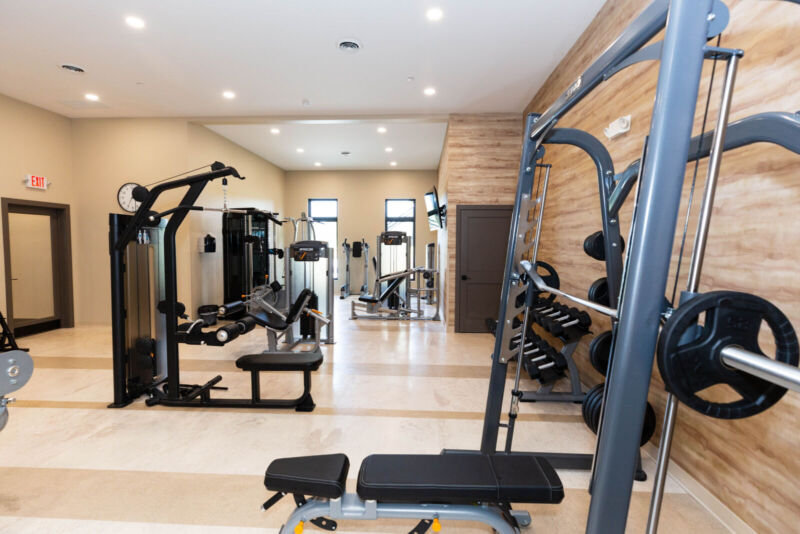
Flexibility is an often overlooked benefit of HOA living. Many homeowners appreciate the ability to travel or spend time away knowing that exterior maintenance and community standards continue to be managed. This structure can be especially appealing to those who divide their time between home and travel, or who simply prefer a residential environment where routine upkeep is coordinated rather than handled alone.
Perhaps the most meaningful advantage of a well-run HOA is the community dynamic it can foster. Shared spaces, neighborhood events, and everyday interactions tend to encourage natural connections among neighbors. Over time, these small moments often create a sense of familiarity and belonging that is difficult to replicate in areas without a coordinated community framework.

HOA living is not a single formula, and each association operates differently. However, when thoughtful planning, resident participation, and practical standards come together, an HOA can offer a balanced approach to homeownership—one that combines individual property ownership with shared benefits. For many homeowners, it represents a straightforward, well-organized way to enjoy both privacy and community within the same neighborhood.