
What Is It Really Like to Live in Greater Mankato?
What Is It Really Like to Live in Greater Mankato?
There is a point at which a city becomes large enough to provide most of what you need, but not so large that getting to it becomes part of the day’s planning. Greater Mankato occupies an interesting place in that middle ground. Mankato and North Mankato serve as a regional center for southern Minnesota, bringing together healthcare, higher education, shopping, restaurants, arts, sports, parks, trails, employment, and community activity within an area that remains relatively easy to navigate. The Twin Cities are close enough for an airport departure, professional sporting event, major concert, specialized appointment, or occasional day in the metro, while everyday life in Greater Mankato follows a distinctly different rhythm. For people who have lived here for years, much of that can become easy to overlook. For someone relocating to Mankato, moving to southern Minnesota, or simply wondering what life in the area is really like, it may be one of Greater Mankato’s most important qualities.
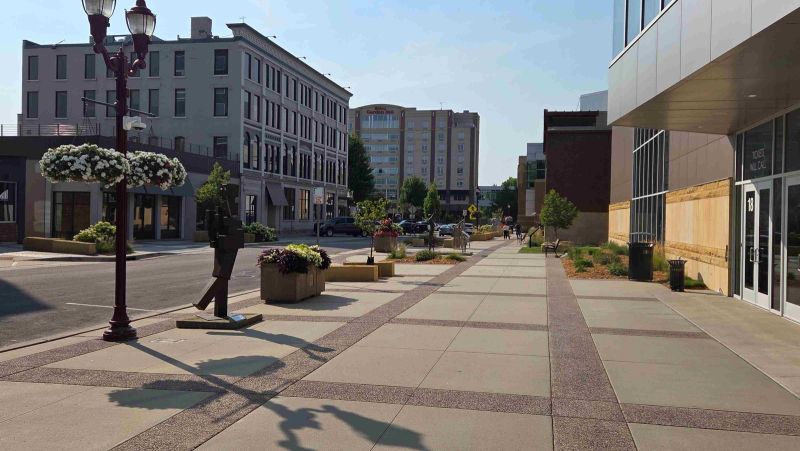
A Regional Center Without a Metropolitan Daily Routine Greater Mankato serves people well beyond the boundaries of Mankato and North Mankato. Residents from communities throughout southern Minnesota regularly come to the area for healthcare, education, employment, shopping, professional services, recreation, dining, and entertainment. That regional role gives Mankato many of the conveniences people ordinarily associate with a larger population center without requiring residents to live within a major metropolitan area. Healthcare is an important part of that picture. Greater Mankato serves as a regional medical center, providing access to both everyday and specialized healthcare close to home. Higher education contributes another dimension. Colleges and universities bring students and educators to the region, but their influence extends well beyond the classroom. Athletics, performances, lectures, employment, continuing education, and cultural activities all become part of the larger community. Then there are the ordinary things that ultimately determine how convenient a place is to live: grocery stores, restaurants, home improvement, professional services, shopping, schools, parks, medical appointments, and places to spend an afternoon. Individually, none of those things defines a community. Together, they mean that a surprising amount of everyday life can happen close to home.
The Twin Cities Are Close Without Being Everyday Life Greater Mankato’s relationship with Minneapolis and St. Paul is another part of its character. The Twin Cities remain accessible for major events, air travel, specialized services, museums, professional sports, shopping, and countless other reasons someone may want to visit a major metropolitan area. But living in Greater Mankato means those things can remain destinations rather than becoming part of the daily commute and routine. There is value in that separation. A resident can take advantage of what a metropolitan area offers when there is a reason to go while returning home to a community where distances are shorter, the surrounding countryside is never very far away, and getting across town generally does not require planning the day around traffic. For some people, that combination is more appealing than choosing between city conveniences and smaller-community living. Greater Mankato offers elements of both.
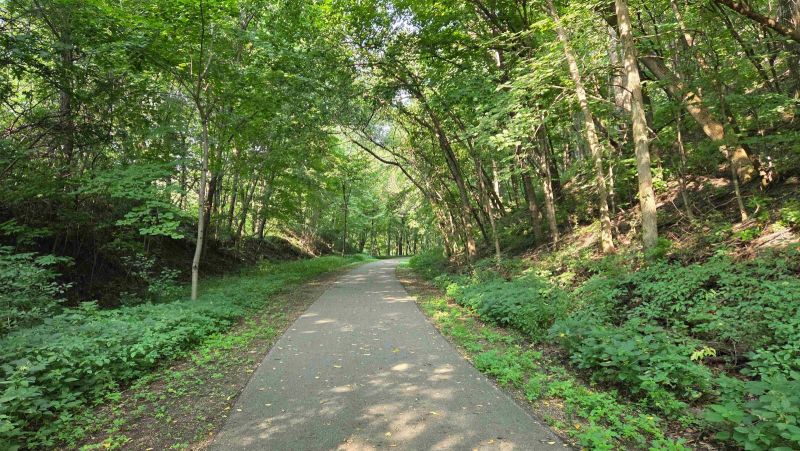
The Outdoors Is Part of Everyday Life One of the easiest things to underestimate about Greater Mankato is how closely outdoor recreation is woven into the community. The Minnesota River Valley provides the landscape, and an interconnected network of parks and trails gives residents numerous ways to experience it. The North Minnesota River Trail, Red Jacket Trail, South Route Trail, Sakatah State Trail, and trails at Kiwanis Recreation Area are among the routes available for walking, running, and cycling around the area.
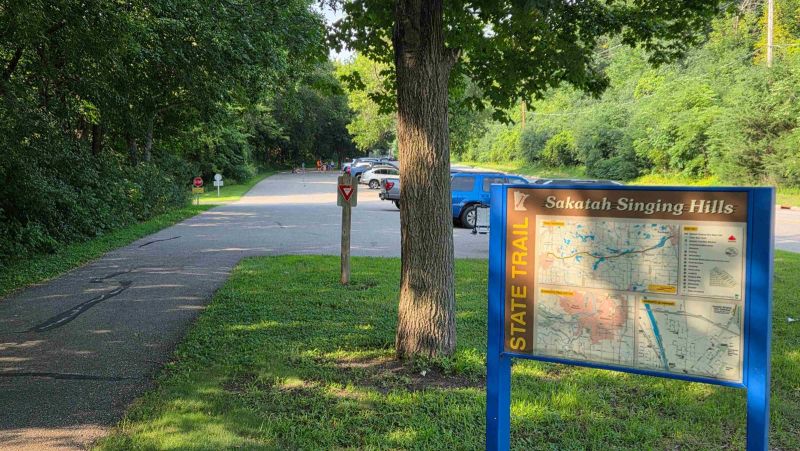
City parks add playgrounds, athletic fields, river access, gathering spaces, gardens, and other recreational opportunities throughout Mankato. But perhaps the best way to understand these resources is not as attractions. It is to think about what they mean when you live nearby. A trail does not have to be a Saturday excursion. It can be where you walk after dinner. A park does not require planning a trip. It can simply be somewhere to spend an hour. And places that visitors may travel specifically to experience can become familiar parts of life for local residents.
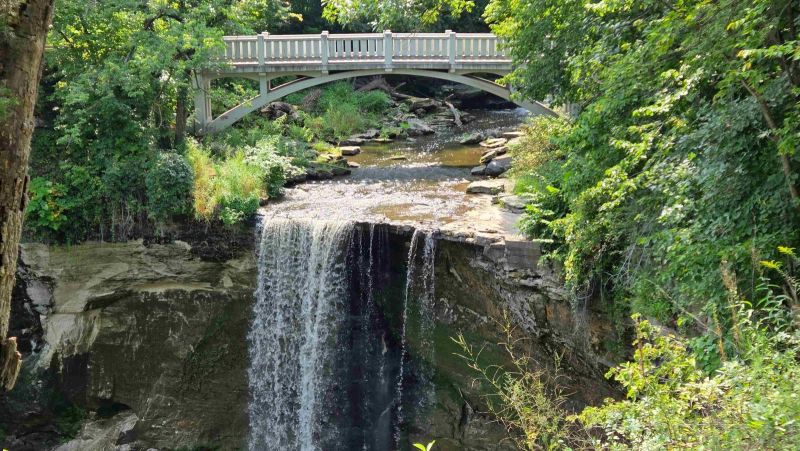
Minneopa in Your Backyard Just outside Mankato, Minneopa State Park is one of the area’s most recognizable natural destinations, with waterfalls, prairie, wooded areas, the Minnesota River Valley, and its well-known bison range. For a visitor, Minneopa can be a destination. For someone who lives in Greater Mankato, it can be an afternoon. That difference says something important about living here. Access to nature does not always require packing for a weekend or driving several hours north. Parks, trails, river landscapes, wooded areas, and open countryside are part of the environment surrounding the community. The experience also changes with Minnesota’s seasons. Summer evenings on the trails give way to autumn color, winter landscapes, and the return of spring along the river valley. Living in southern Minnesota means accepting four distinct seasons, but it also means watching familiar places become remarkably different throughout the year.
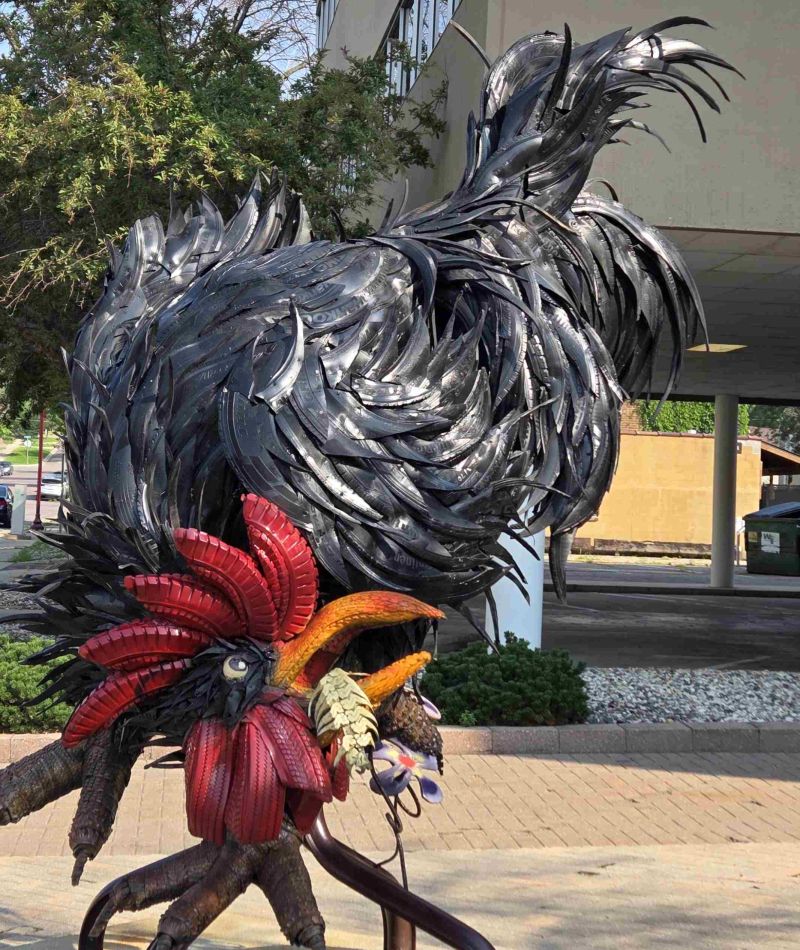
Arts, Culture, Sports, and Things to Do Outdoor recreation is only one side of Greater Mankato. The region also supports theater, music, galleries, museums, public art, collegiate athletics, community festivals, performances, and other cultural activities throughout the year. Some are large enough to draw visitors from outside the region. Others are distinctly local. Public art has become particularly visible throughout Mankato’s City Center. Galleries and arts organizations contribute to the regional creative community, while museums and historic sites preserve stories connected to Mankato and southern Minnesota. Along Riverfront Drive, the Mni Mural stretches across a long section of the Minnesota River flood wall, connecting public art with the river and trail environment around it. Sports also occupy an important place in community life. College athletics, school sports, recreational leagues, outdoor activities, and local events provide plenty of opportunities to participate or simply show up and watch. That last part matters. A community becomes more interesting when there are places to go, but it becomes stronger when people actually go to them.
A Community Is Built by the People Who Participate in It Parks, hospitals, schools, trails, businesses, and entertainment venues help make a region attractive, but they do not create community by themselves. People do. Greater Mankato benefits from residents who volunteer, coach, organize events, support nonprofits, create art, serve on boards, teach, operate businesses, maintain public spaces, help neighbors, and participate in civic life. Some of that work is highly visible. Much of it is not. Local nonprofit organizations serve families, children, seniors, veterans, animals, the arts, the environment, education, housing, food security, and numerous other community needs. Civic organizations and volunteers contribute time and experience. Businesses sponsor activities and employ local residents. Educational institutions bring people together. Local government and public employees maintain the infrastructure everyone depends upon. No single organization deserves credit for making Greater Mankato what it is. The character of the area comes from thousands of individual contributions made over many years. That is worth recognizing because strong communities are never finished products. They remain strong only when people continue participating in them.
Big Enough to Keep Discovering One advantage of living in a regional center is that there is enough happening that residents do not necessarily discover everything immediately. A restaurant you have never tried may have been across town for years. A trail can lead to a part of the river valley you have never explored. A performance, gallery, community class, sporting event, or volunteer opportunity may introduce an entirely different side of the area. People who relocate to Greater Mankato often begin by learning the practical geography: where to shop, how to get to work, where the schools are, where to find healthcare, and which roads connect one part of town to another. Over time, another map develops. It includes a favorite walking route, a restaurant where someone knows your order, the park grandchildren ask to visit, a familiar seat at a sporting event, a community organization you begin supporting, or the route you take simply because you enjoy the drive. That is when a place begins becoming home rather than simply an address.
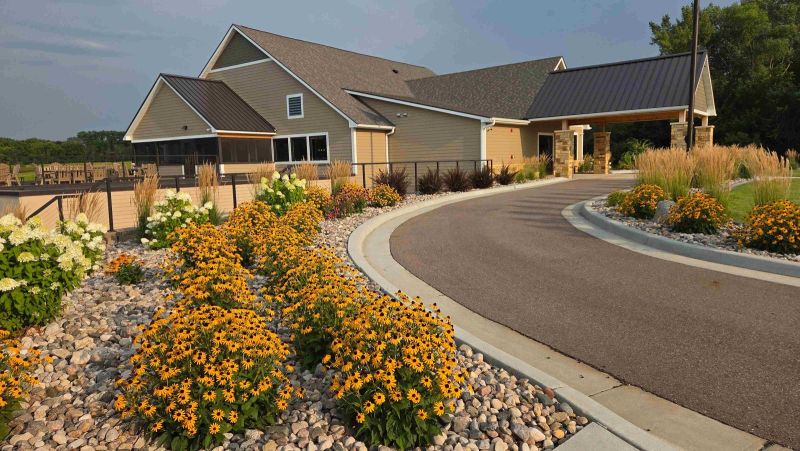
Where Neighborhood Life Fits In A city can provide healthcare, education, recreation, entertainment, employment, and opportunity, but most daily life still happens much closer to home. It happens on the street where you walk. With the neighbor you recognize. At the park you use repeatedly. In the places where people gather. That is one reason strong neighborhoods matter to the health of a larger community. At Siesta Hills, we naturally see Greater Mankato from that neighborhood perspective. Residents may spend time at the clubhouse, pools, community amenities, garden, or pickleball courts, but community life does not stop at the entrance to Siesta Hills. Mankato, North Mankato, and the surrounding region are part of everyday life here as well. The relationship works in both directions. A strong regional community makes its neighborhoods better places to live. Strong neighborhoods, in turn, contribute residents, volunteers, customers, employees, ideas, investment, and participation back to the larger community. Siesta Hills is one neighborhood within that much larger Greater Mankato story.
For Those Considering a Move to Greater Mankato Anyone relocating to a new community eventually wants information that goes beyond housing prices, employment statistics, and a map. What does an ordinary Tuesday feel like? How difficult is it to get around? Are there things to do after work? Where can you walk? What happens on the weekend? Can you find good healthcare nearby? Will family enjoy visiting? Is there enough activity to remain interesting without everyday life feeling overwhelming? Those questions are more difficult to answer with statistics because they involve the rhythm of a place. Greater Mankato will not be the right community for everyone. No place is. But for people who appreciate having healthcare, education, recreation, arts, shopping, restaurants, employment, and community activity nearby while still maintaining a connection to the Minnesota River Valley and surrounding southern Minnesota landscape, the area occupies an appealing middle ground. The Twin Cities remain within reach when there is a reason to go. Much of what is needed for everyday life is already here.
A Place Worth Knowing Better Those who have lived in Greater Mankato for years may occasionally need to be reminded how much exists within reach. Those arriving for the first time may be surprised by how quickly the area begins to feel manageable and familiar. There will always be another restaurant to discover, another trail to walk, another local organization doing worthwhile work, another community event, and another part of southern Minnesota worth exploring. Perhaps that is one of Greater Mankato’s quieter strengths. There is enough here to keep discovering, without making everyday life difficult. Explore more community news from Siesta Hills and Greater Mankato