
How to Find the Right Neighborhood When Moving from Out of State
Relocating to a new area—especially from out of state—comes with a mix of excitement and uncertainty. Whether the move is driven by work, retirement, lifestyle changes, or simply the desire for something different, one of the biggest decisions isn’t just the home you choose—it’s the neighborhood you choose to live in.
For many people moving out of state, the biggest mistake isn’t choosing the wrong home—it’s choosing the wrong neighborhood.
For many, the process starts online. Photos, listings, and virtual tours can make it seem like everything you need to know is just a few clicks away. But in reality, finding the right place to live goes far beyond the house itself.
It’s Not Just About the Home
A well-designed home can check every box on paper, but if the surrounding environment doesn’t match your lifestyle, the experience can fall short. The rhythm of daily life—how quiet or active an area feels, how people interact, and how the neighborhood is laid out—often matters more over time than square footage or finishes.
Those moving from afar sometimes focus heavily on the property itself, simply because it’s easier to evaluate. But the community surrounding that home is what shapes everyday living.
Understanding What Daily Life Looks Like
When evaluating a neighborhood from a distance, it helps to shift your thinking from “What does the home look like?” to “What would it feel like to live here every day?”
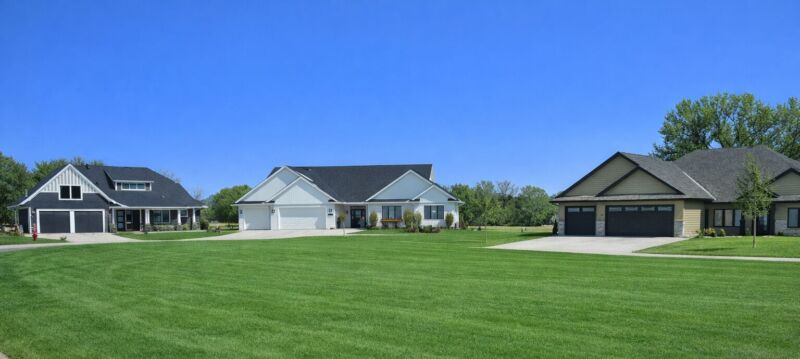
How the neighborhood is designed—whether homes are spaced for privacy or positioned to encourage interaction—along with shared spaces, amenities, and the overall pace of life all play an important role. These are the details that don’t always show up in real estate listings, but they define the experience once you move in.
The Mistake Many Buyers Make
A common mistake when relocating is choosing a home first and a neighborhood second. It’s easy to fall into the trap of finding “the perfect house” without fully understanding the environment around it.
Over time, many people realize that what they truly value isn’t just the home—it’s how the neighborhood supports their lifestyle. That could mean a stronger sense of community, opportunities for connection, access to amenities that make everyday life easier, and a setting that aligns with how they want to spend their time.
Evaluating a Community from Afar
Even without being physically present, there are ways to get a more complete picture of a neighborhood.
Start by looking beyond listing photos. Community-focused websites, local articles, and real resident photos often provide a more accurate sense of what the area feels like.
Pay attention to how a neighborhood presents itself. Are there signs of engagement, events, or shared experiences? Or does it feel more isolated and purely residential?
Understanding how a community functions—especially if it includes shared amenities or an HOA—can also provide insight into long-term livability.
When you step back and look at the full picture, the difference becomes clear.

Aerial view of Siesta Hills in Mankato, Minnesota, showing how homes, green space, and thoughtful neighborhood design come together to shape everyday living.
Why Community Design Matters More Than Ever
As more people prioritize lifestyle—not just location—thoughtfully designed communities are becoming more appealing. These neighborhoods are often planned with intention, balancing private living with opportunities to connect, relax, and enjoy the surrounding environment.
Rather than leaving everything to chance, the layout, amenities, and overall structure help create a more consistent and enjoyable experience for residents.
A Real-World Example in Southern Minnesota
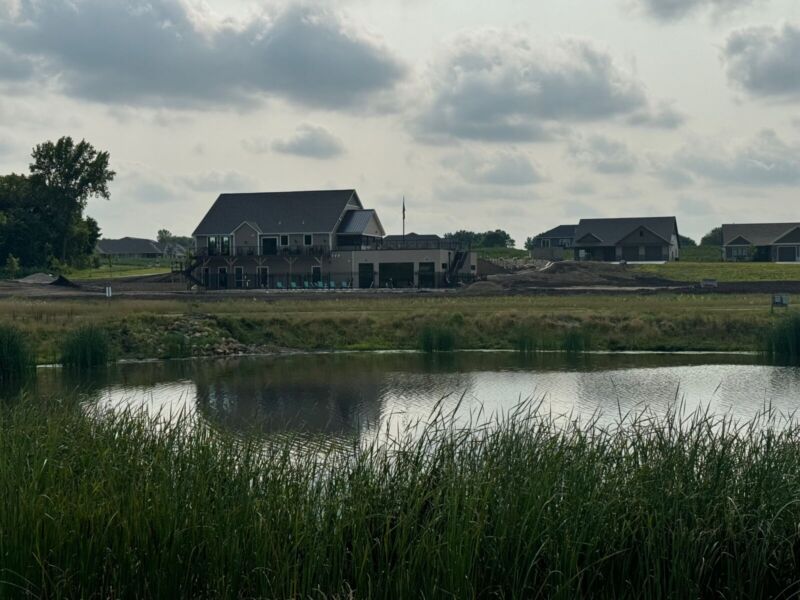
In communities like Siesta Hills Active Adult Community | 55+ Lifestyle Living in Mankato MN, the focus extends beyond the homes themselves. The design of the neighborhood, shared spaces, and overall environment all contribute to daily living.
Located in the growing Mankato area, Siesta Hills reflects a different approach—one where community interaction, well-planned amenities, and everyday livability come together in a way that supports a wide range of lifestyles.
For those relocating or moving out of state, learning more about the Siesta Hills community provides a helpful example of how neighborhood design can influence day-to-day life.