
HOA Fees: Understanding the Real Cost and Value of Homeownership
When considering a home in a homeowners association, one of the first questions prospective buyers often ask is how much the HOA fees are. It is a reasonable question, particularly when comparing a home within an association to one in a traditional neighborhood where no monthly association fee appears on the household budget. At first glance, the home without an HOA may seem like the less expensive choice. But that comparison overlooks something important: maintaining a home, caring for its surroundings, and enjoying recreational amenities all carry costs, whether those expenses are paid individually or shared among neighbors.
The difference is often not whether those expenses exist, but how they are organized, how predictably they can be managed, and what homeowners receive in return. At Siesta Hills in Mankato, Minnesota, association fees support a broader approach to community living, one that considers not only the care of individual properties but also the appearance, amenities, and long-term appeal of the neighborhood as a whole.
The Costs of Homeownership Do Not Disappear Without an HOA
For homeowners outside an association, property maintenance expenses rarely arrive in one convenient monthly statement. Instead, they are spread throughout the year in ways that can make their total cost easy to underestimate. There is gasoline for the lawn mower, fertilizer and other lawn care products, equipment maintenance, landscaping supplies, and the occasional replacement of a mower or snowblower. Homeowners who prefer to hire these services face recurring expenses for lawn care, snow removal, landscaping, and other seasonal maintenance.
Those who maintain their properties themselves may avoid some labor charges, but the work is not free. Equipment must be purchased and maintained, supplies are consumed, and time must be devoted to completing the work. In Minnesota, where summer lawn care eventually gives way to winter snow removal, those responsibilities remain part of homeownership throughout the year.
The same principle applies to recreational amenities. A privately owned swimming pool requires chemicals, cleaning, water, electricity, equipment maintenance, and periodic repairs. Homeowners who prefer not to maintain their own facilities may instead pay for memberships or travel to recreational facilities elsewhere.
None of these expenses are necessarily unreasonable. They are simply part of owning and maintaining a property. The absence of an HOA fee does not mean the absence of maintenance costs. It means those costs are handled differently, often through individual purchases, service contracts, and expenses that arise throughout the year.
Yes, HOA Fees Will Increase. So Will the Cost of Maintaining Your Own Home.
One of the questions prospective homeowners sometimes ask is whether HOA fees will increase over time. The answer is yes. Just as the cost of maintaining a home outside an association increases over time, the expenses associated with caring for a community will rise as well. This is a normal part of homeownership, not something unique to living in an HOA.
The price of gasoline, lawn care, snow removal, landscaping materials, pool chemicals, utilities, and building repairs changes over time. Homeowners outside an association experience those increases through individual purchases, service contracts, and maintenance expenses. Within an HOA, many of those same costs are managed collectively and reflected in the association’s operating budget.
The advantage of a thoughtfully managed association is that these expenses can be anticipated, budgeted for, and shared among homeowners. Regular financial planning allows the community to evaluate changing costs, maintain its amenities and grounds, and prepare for future repairs rather than waiting until maintenance becomes an urgent problem.
At Siesta Hills, where homeowners themselves participate in the association’s decisions, that planning is part of a shared commitment to the neighborhood. Maintaining attractive grounds, caring for recreational facilities, and preserving the community’s appearance require ongoing investment. As costs change, the association has a responsibility to adjust its financial planning to meet those needs.
A fee increase, therefore, should not automatically be viewed as a negative. When supported by actual expenses and responsible financial planning, it can reflect a community’s commitment to maintaining the services, amenities, and surroundings that residents value.
The goal is not to keep HOA fees unchanged forever. It is to ensure that the community continues to be cared for, today and for the years ahead, while providing the value homeowners expect and deserve, whether they live within an HOA or outside one.
Your Neighborhood Is an Extension of Your Home
One of the most meaningful aspects of community living is also one of the easiest to overlook when comparing HOA fees: the appearance of the neighborhood itself.
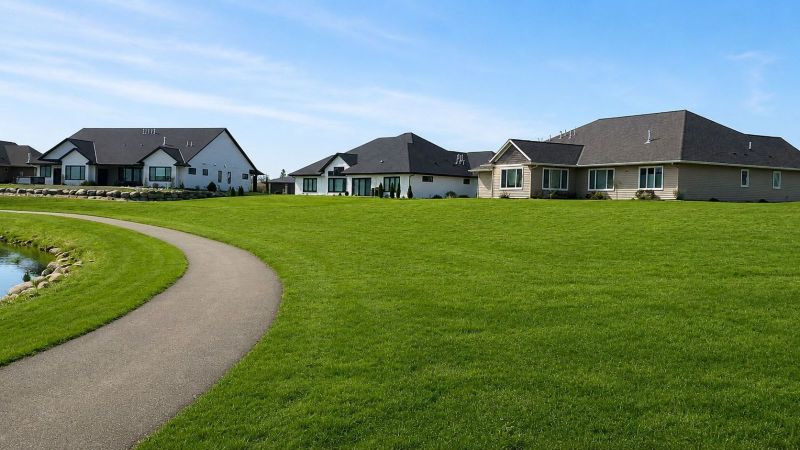
When you purchase a home, your enjoyment of that property extends well beyond its walls and property lines. The lawn next door, the landscaped green spaces, the appearance of neighboring homes, and the care given to shared grounds all become part of the environment you experience every day. They shape the impression you have when returning home, the view from your windows, and the atmosphere of the neighborhood in which you have chosen to live.
In a traditional neighborhood, homeowners can take excellent care of their own properties while having relatively limited influence over how neighboring properties are maintained, apart from applicable local ordinances. A beautifully landscaped yard may sit beside a neglected property, and the maintenance decisions of individual owners can gradually change the appearance of the surrounding neighborhood.
At Siesta Hills, coordinated grounds maintenance and established community standards provide a different approach. Association fees support lawn care, snow removal, and the maintenance of shared grounds, while community guidelines establish expectations for the care and appearance of individual properties. Together, these responsibilities help create a consistent, attractive environment that extends throughout the neighborhood rather than ending at each homeowner’s property line.
The green spaces and neighboring lawns are, in a very real sense, an extension of your own home. You may not own the property next door or the community grounds, but their appearance contributes to the surroundings you enjoy every day. Maintaining that beauty is a shared investment in the place everyone has chosen to call home.
That consistency also has a longer-term purpose. Well-maintained grounds, attractive neighboring properties, and thoughtfully cared-for common areas can contribute to neighborhood desirability and support the continued appeal of individual homes. No association can guarantee future property values, which depend on many factors beyond neighborhood maintenance, but preserving an attractive and well-cared-for environment is an important part of protecting the community’s long-term appeal.
Why HOA Fees and Community Guidelines Work Together
HOA fees and community guidelines are sometimes viewed as separate considerations, with fees representing an expense and guidelines representing restrictions. In practice, they serve complementary purposes. The fees provide resources for maintaining the community, while the guidelines establish shared expectations for how the neighborhood is cared for.
A community could invest considerable money in landscaping and common areas, yet still struggle to maintain a consistent appearance if individual properties were allowed to deteriorate without reasonable standards. Likewise, community guidelines alone cannot maintain shared grounds, repair facilities, or provide coordinated services without the resources necessary to carry out those responsibilities.
At Siesta Hills, these two elements work together to support the appearance and character of the neighborhood. The association’s maintenance responsibilities contribute to the care of shared spaces, while community standards help ensure that individual properties reflect the same general commitment to neighborhood upkeep.
For prospective homeowners, that is an important part of understanding what an HOA provides. The fees are not simply a payment for services, and the guidelines are not simply a collection of rules. Together, they establish a shared approach to maintaining the community and preserving the surroundings that residents value.
Shared Amenities Bring Value Without Individual Ownership Responsibilities
The amenities available within a community are another important consideration when evaluating association fees. At Siesta Hills, residents have access to shared recreational and gathering spaces, including swimming pools, fitness facilities, clubhouse areas, and other community amenities.
These facilities offer conveniences that would otherwise require individual ownership, separate memberships, or travel to locations outside the neighborhood. They also create opportunities for residents to enjoy activities close to home, meet neighbors, and make shared spaces part of their everyday routines.
Of course, amenities require ongoing care. Swimming pools need cleaning, chemicals, water, electricity, and equipment maintenance. Clubhouse facilities require utilities, cleaning, repairs, and appropriate insurance for shared facilities and common property. Recreational spaces and landscaped grounds also require regular attention to remain attractive, functional, and available for residents to enjoy.
Association fees help support these responsibilities collectively. Rather than each homeowner purchasing and maintaining comparable facilities independently, the community shares the costs of operating and caring for amenities available to its residents.
The value of those amenities will naturally vary from one homeowner to another. Someone who regularly uses the pool, fitness facilities, or clubhouse may find considerable value in having those conveniences nearby, while another homeowner may place greater importance on the appearance of the neighborhood or the benefits of coordinated maintenance. Understanding what is included and how those services fit your lifestyle is far more useful than comparing monthly fees without considering what they provide.

The Value of Time Is Part of the Equation
There is another consideration that rarely appears in a comparison of homeownership expenses: the time required to maintain a property.
For some people, mowing the lawn, caring for landscaping, and maintaining outdoor equipment are enjoyable activities. For others, those responsibilities compete with travel, family time, hobbies, and the freedom to enjoy a weekend without a long list of household chores.
As circumstances change, the way homeowners value their time may change as well. A person who once enjoyed maintaining a large property may eventually prefer to spend less time on recurring maintenance. A busy professional may appreciate having certain services coordinated rather than arranging them individually. Someone who enjoys traveling may value returning home to a neighborhood where shared grounds and contracted maintenance have continued to receive attention during an absence.
The services included in an HOA do not eliminate every responsibility associated with owning a home, but they can reduce some of the recurring work that would otherwise fall entirely on the individual homeowner.
That convenience has value even when it cannot be expressed precisely in dollars. For many people, the appeal of a community such as Siesta Hills comes from the combination of a home they enjoy, surroundings that are cared for, and more freedom to spend their time doing the things that matter to them.
A Resident-Run Community With a Shared Interest in Its Future
At Siesta Hills, the homeowners association is resident-run, giving homeowners a direct role in decisions affecting the community. That involvement is particularly meaningful when considering association fees, maintenance priorities, and long-term financial planning.
The people participating in those decisions are also the people who live in the neighborhood, contribute to its expenses, use its amenities, and experience the results of its maintenance and community standards. They have a personal interest in preserving the quality of the surroundings and making decisions that serve both current residents and the community’s future needs.
That does not mean every financial decision will be easy or that all homeowners will always agree on priorities. Maintaining shared property and recreational facilities requires balancing immediate needs with longer-term responsibilities, and thoughtful planning sometimes means addressing expenses before they become more significant problems.
For prospective buyers, understanding how an association is managed is therefore just as important as knowing its current monthly fee. Reviewing the community’s budget, financial statements, reserve planning, governing documents, and maintenance responsibilities provides a more complete picture of how the association operates and what homeowners can expect.
A well-managed association is not defined simply by having the lowest fees. It is defined by how responsibly it manages the resources entrusted to it and how effectively those resources support the community over time.

Looking Beyond the Monthly Fee
When comparing a home within an HOA to one outside an association, the most useful approach is to consider the complete cost and experience of homeownership. What maintenance services are included? Which responsibilities remain with the homeowner? What recreational facilities are available? How are the shared grounds maintained, and what expectations exist for the care of neighboring properties?
A home without an HOA may offer greater freedom to make individual property decisions, but it also places more responsibility for maintenance and related expenses directly on the homeowner. A community with an HOA may provide coordinated services, shared amenities, and established neighborhood standards in exchange for regular fees and agreed-upon responsibilities.
Neither arrangement automatically costs less, and the right choice depends on the homeowner’s priorities. What matters is understanding what the expenses provide and whether the community supports the way you want to live.
At Siesta Hills, association fees are part of a larger commitment to maintaining shared amenities, caring for community grounds, and supporting the attractive neighborhood environment residents enjoy. Together with community guidelines and homeowner involvement, they help preserve the character and long-term appeal of the neighborhood.
The cost of maintaining a home and its surroundings will change over time, whether those expenses are paid individually or through an association. What makes the comparison meaningful is not simply the amount of the monthly fee, but the services, surroundings, amenities, and everyday experience homeowners receive in return.
Your home is where you live. Your neighborhood is part of what makes it home.
For those exploring housing options in the Mankato area, Siesta Hills offers an opportunity to consider how shared responsibility, coordinated maintenance, and community amenities can contribute to a rewarding homeownership experience.
Want to learn more?
To learn more about Siesta Hills, its amenities, and community living in Mankato, call 507-327-8411 for additional information.